In Bangladesh, the language of technology and commerce is quietly but decisively changing. What once served primarily as a source of online entertainment for young people is increasingly becoming a gateway to business, income and entrepreneurship. At the center of this transformation is TikTok, a platform now reshaping the country’s emerging digital economy.
China’s experience with TikTok’s domestic version, Douyin, has already demonstrated how short-form video platforms can create millions of entrepreneurs. Bangladesh, drawing lessons from that model, is beginning to chart a similar path.
From Entertainment Platform to Economic Engine
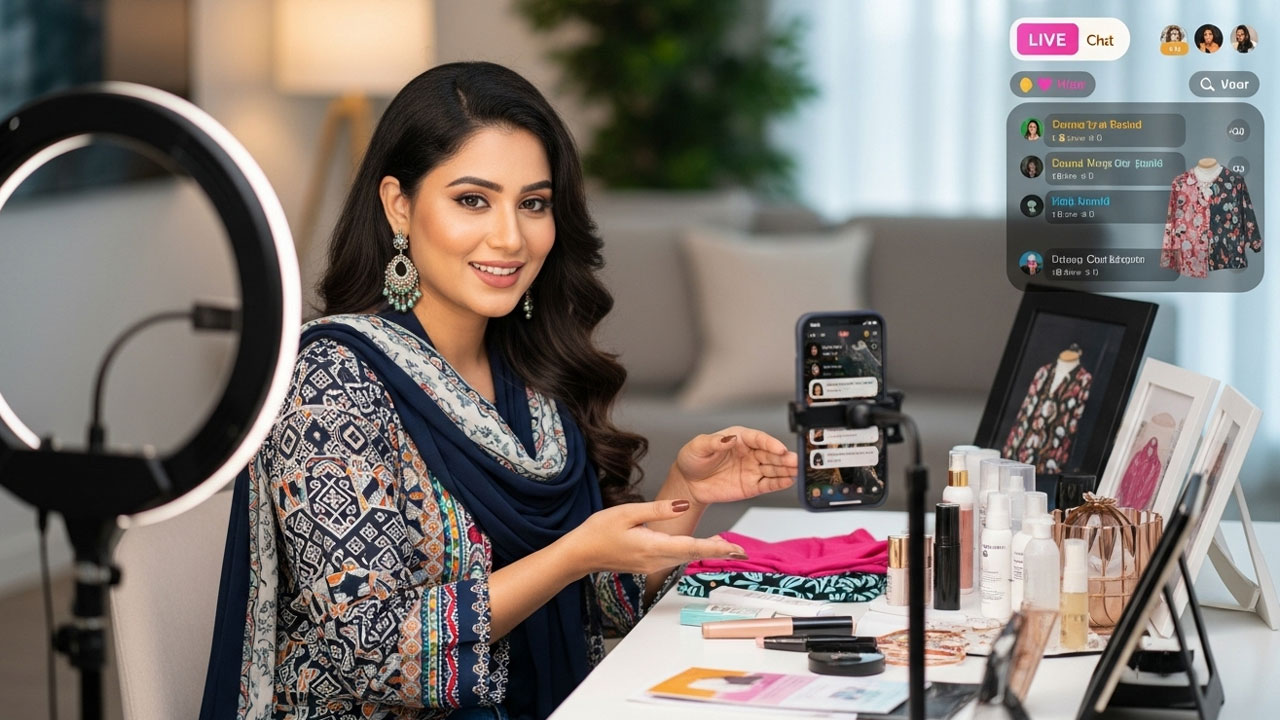
In the Bangladeshi context, TikTok is no longer simply a destination for music, humor or dance trends. It has evolved into a marketplace where small entrepreneurs, fashion designers, artisans and food creators are building brands with little more than a smartphone and creative storytelling.
The country’s internet expansion — driven largely by affordable smartphones — has laid the foundation. Today, nearly 130 million people in Bangladesh use the internet, with young users making up the largest share. As a result, social media platforms have shifted from leisure spaces into vital commercial ecosystems.
According to a Statista report, Bangladesh’s e-commerce sector is expected to grow by 20 percent between 2022 and 2025. Alongside Facebook, Instagram and YouTube, TikTok is now playing a distinct and influential role in that growth.

TikTok and Digital Growth in Bangladesh
| Indicator | Data |
|---|---|
| Internet users | 130 million |
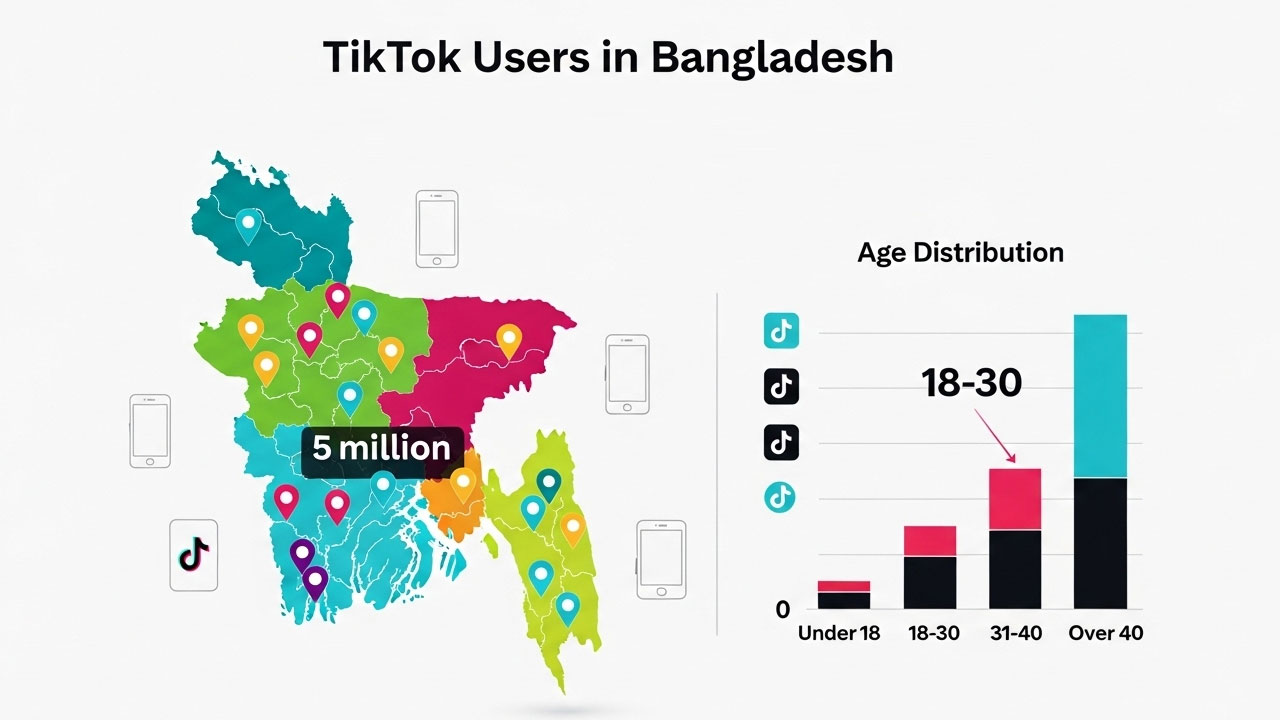
| Active TikTok users | 50 million |
| Dominant age group | 18–30 years |
| E-commerce growth forecast | 20% (2022–2025) |
| Comparable platform | Douyin (China) |
| Douyin annual SME sales | $210 billion |
Youth, Creativity and Commercial Reach
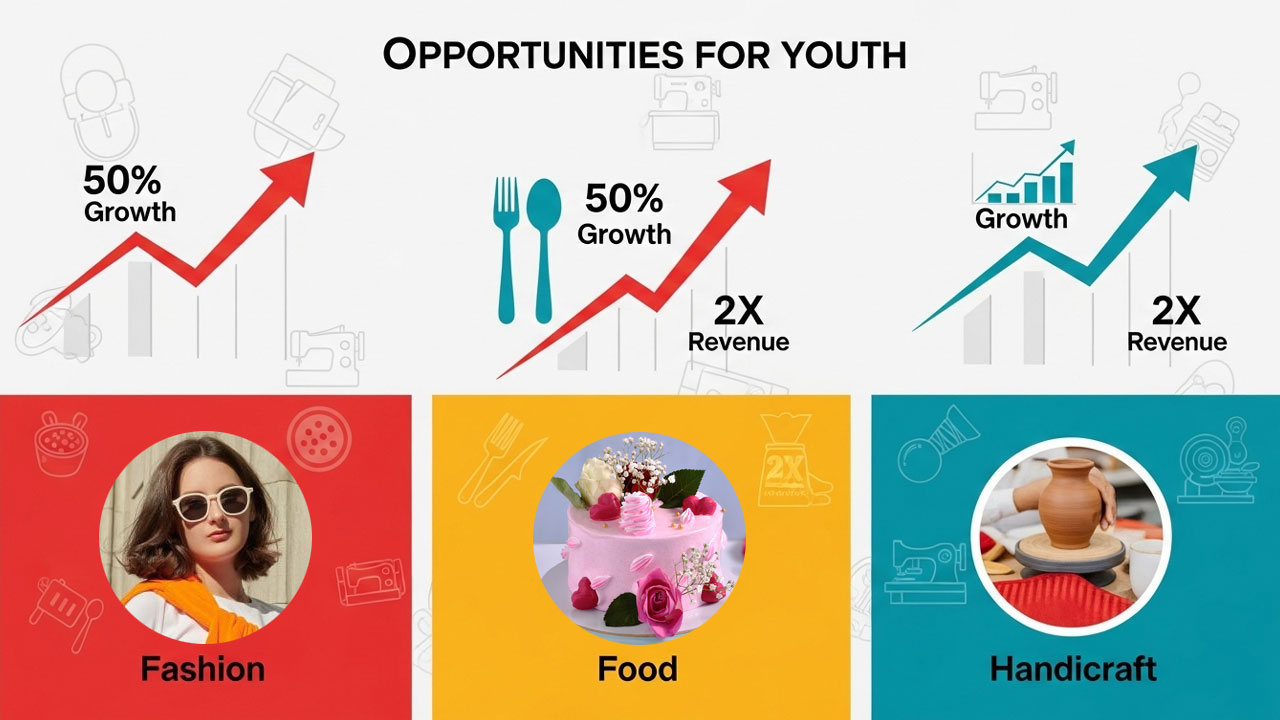
TikTok’s latest data show that approximately 50 million users in Bangladesh are active on the platform, with the majority aged between 18 and 30. Many are now functioning as informal brand ambassadors, using short videos to promote fashion, food, travel and handicrafts.
Dr. Abdul Kabil Khan Jamil, an associate professor at Daffodil International University and a specialist in mobile journalism, argues that TikTok’s impact could extend far beyond content creation.
“If young people in Bangladesh are taught how to use TikTok responsibly and strategically,” he said, “it can become a major source of employment. Government policy is essential to ensure entrepreneurs are protected as this sector grows.”
Lessons from China’s Douyin Model
In China, Douyin has fundamentally altered how small businesses operate. Farmers livestream their harvests directly to urban buyers. Artisans showcase handmade products through storytelling. Local entrepreneurs sell clothing, jewelry and food without intermediaries.
Small businesses using Douyin collectively generate an estimated $210 billion annually, reaching both domestic and international customers. The model does more than increase income; it enables local producers to access global markets without third-party dependency.
For Bangladesh, the parallels are compelling. Entrepreneurs with video skills can launch businesses with minimal capital, a prospect that digital marketing experts say could redefine economic participation.
Entrepreneurs Behind the Screens
In Dhaka’s Mirpur neighborhood, Arifa Rahman began her online business two years ago using Facebook ads. As competition intensified, she turned to TikTok.
“At first, I wasn’t sure people would buy products just by watching videos,” she said. “Now almost every video goes viral. Orders became so overwhelming that I had to build a separate team.”
Her brand now reaches customers beyond Dhaka, including buyers in other districts and abroad.
In Rajshahi, university student Mehedi Hasan started making food videos as a hobby. His TikTok reviews quickly gained traction. Restaurant owners now invite him to create promotional content, some offering paid partnerships. He earns roughly 100,000 taka per month.
Meanwhile, Asmaul Hosna, a homemaker in Jamalpur, began selling handmade bags through TikTok tutorials. After several videos went viral, she started receiving international orders.
“I never imagined that something I made at home could be sold overseas,” she said.
Policy, Payments and the Path Forward
Industry professionals stress that TikTok’s entrepreneurial potential depends on structural support. Kazi Kawsar Sweet, sales and customer experience coordinator at the e-commerce platform Ghorer Bazar, said short videos are accelerating brand recognition at an unprecedented pace.
“With proper government policy and secure payment systems, TikTok could unlock even greater opportunities for young entrepreneurs,” he said.
TikTok’s South Asia partnership manager, Faiza Jafar, echoed that view, emphasizing the platform’s evolving role.
“Our goal has always been to encourage creativity,” she said. “Over time, people have also begun using TikTok to represent themselves, their brands and their businesses — reaching new audiences in the process.”
A Platform of Possibility
The Bangladeshi government has launched yearlong initiatives aimed at strengthening the country’s technology sector. Platforms like TikTok, YouTube and Facebook are increasingly aligned with that ambition.
With the integration of artificial intelligence, TikTok could offer more targeted insights for businesses, while strengthening ‘Made in Bangladesh’ branding in global markets.
Young entrepreneur Tasleema Akter believes government-led training programs on short-form video creation and digital payments could accelerate progress.
“By adapting the Douyin model,” she said, “entrepreneurs in rural areas can be trained hands-on to scale their businesses.”
TikTok in Bangladesh is no longer just entertainment. It is emerging as a tool of economic transformation. China’s experience shows that with creativity, technology and policy alignment, a short-video platform can generate millions of livelihoods. If Bangladesh harnesses that lesson effectively, TikTok may well become one of the country’s most powerful engines for youth-driven entrepreneurship.